
ALL OF A SUDDEN
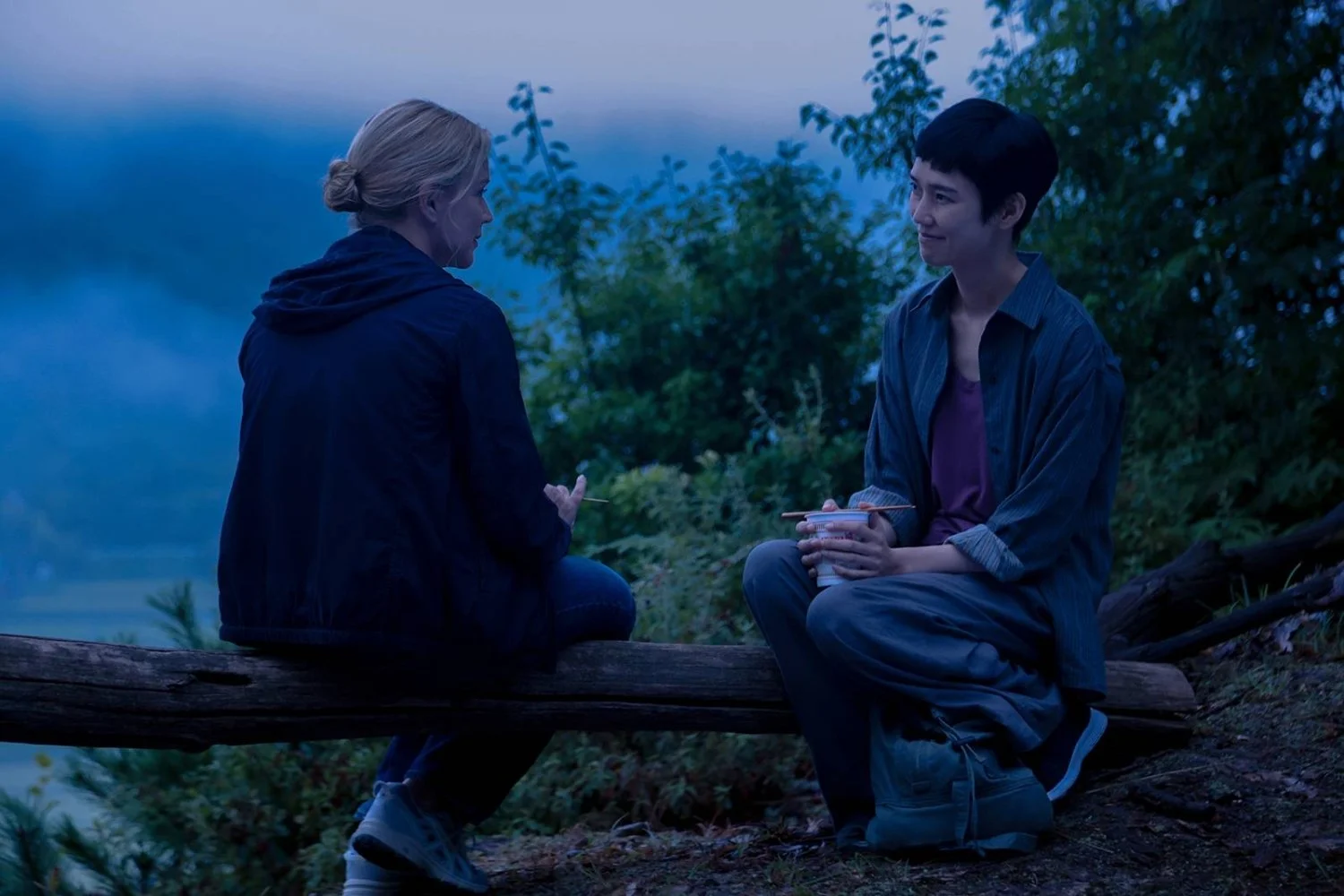
All Of A Sudden is the latestfilm of japanese director Ryusuke Hamaguchi. The story is loosely based on You and I – The Illness Suddenly Get Worse, a non-fiction book of letters exchanged between a philosopher facing terminal cancer (Makiko Miyano) and a medical anthropologist (Maho Isono). The story follows Marie-Lou, the new director of a Parisian nursing home, who struggles against staff resistance as she tries to introduce a more humane, dignity-focused care system. Her life changes when she forms a deep friendship with Mari, a terminally ill Japanese theater director staging a play in Paris. I watched the movie on a quiet Monday evening a couple of weeks ago in a rather packed cinema in Athens. Bit biased I must admit since Drive My Car has been a firm favorite of the last few years for me. A movie I can stll watch and feel moved, only in ways big cinema can make you feel like. The problem with directors sometimes is that you expect them. to do the. same things. And guilty as charged I kinda like that. Kore Eda for example has been exploring the same themes for years even the. actors are the same in his films sometimes. Or Hong Sang Soo. Sometimes I feel like watching the same movie from him. Or the godfather of these people Eric Rhomer. Hamaguchi is defintely infulenced by Rhomer on this latest movie of his and particularly by My Nights at Mauds. To make a film through dialogue. The movie is based on a book though and the challenge was a big one. What was lacking was pace for a movie with an almost punishing duration of 3 and a half hours. But I could live with that if I could feel closer to the characters somehow and nor distant. Somehow I could not love them. They felt so much dedicated to higher caused that their human sides were mainly hints across the movie like the scene overlooking the. valley in Kyoto where they discuss about how they like their noodles al dente. By the way visually one of the. most beauiful scenes of the entire film. But still the main characters felt absent from life. No sleep, no relationships, Marie Lu on the egde of exhaustion trying to impose a method of treating Alzheimer. patients with dignity to a reluctant stuff ( a really great metaphor for social class issues also that I will explore later), she struggles with life itself until a random meeting with Mari a theatrical director will give meaning to her empty life. Mari is dying from cancer but still dedicates most. of her brittle life to philosophy. The quite unorthodox relatiionship they shape is probaly the most meaningful aspect of their lives which otherwise they live as martyrs to greater causes. We dont know much about them, Mari has no family studied philiosophy in France, Marie Lou was once married ( we see a pic of her ex husband near the. end of the film that feels unnatural).
One. of the intersting. parts of the. film and also one of the least cinema moments is when Mari with a graph explains in one of the. best ways I have seen the problems of capitalism. In an almost documentary style she makes. it easy even for someone with no special philosophical skills to understand what is wrong withe system we live in. The inside and the outside. Its really intersting to see how Maris notes the system is not perfect and also in this system Im able to do what I love theatre, philosophy and so on. A view that always appealed to me. No system is pefect but in this one I can be an artist, do a magazine, live my family from that. In the same way Marie Lou has the luxury to work for a private hospital and work on the a technique that demands extra labout of people on the outside (from Maris graphI) and that the system Humanitude is a product of capitalism. The people on the outside the. hospitals staff like Laurence the head nurse,i a really important character for me, are alsmot looked down upon. I found it really succesful how the director uses the. script to comment how elites in big cities look down upon the. masses that shape the political situation worlwide. From a point of priviledge.
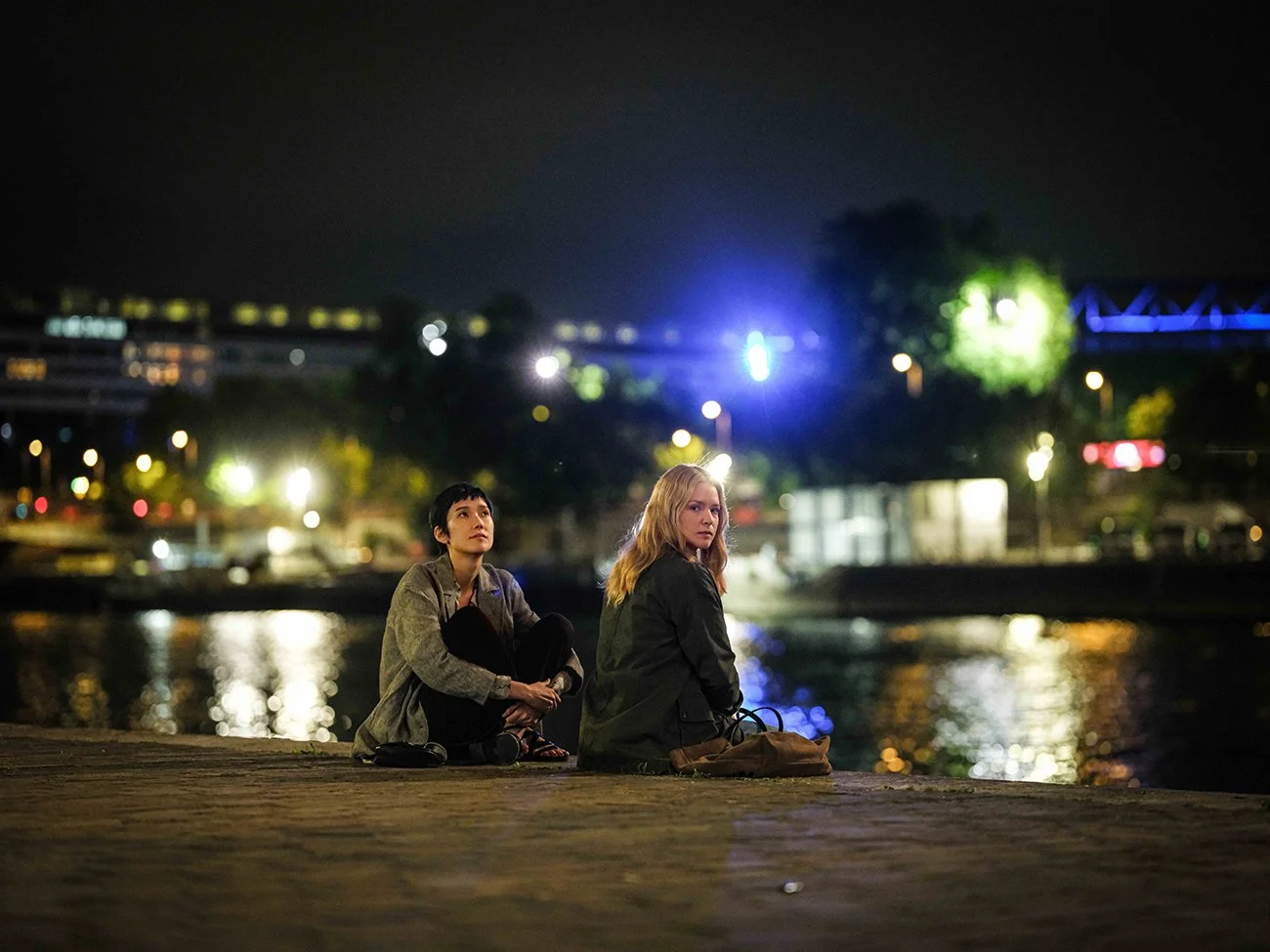
Now to the movie. Its beautifully shot, the parts when the couple walks in dusk are majestic and the Kyoto scenes even if unrealistic plotwise ( they travel to Kyoto when Mari is severly ill only to return) are magical. The whole conversation when they talk overlooking the valley was one of my favorite in the whole film.
The music. did. not help the film much. Coming from Drive My Car again where the soundtrack was pivotal to the film I felt disappinted this time around. The movie in many ways felt clinical distant. The foot massages were a way for Hamaguchi to show some human interaction but were almost uncomfortable.
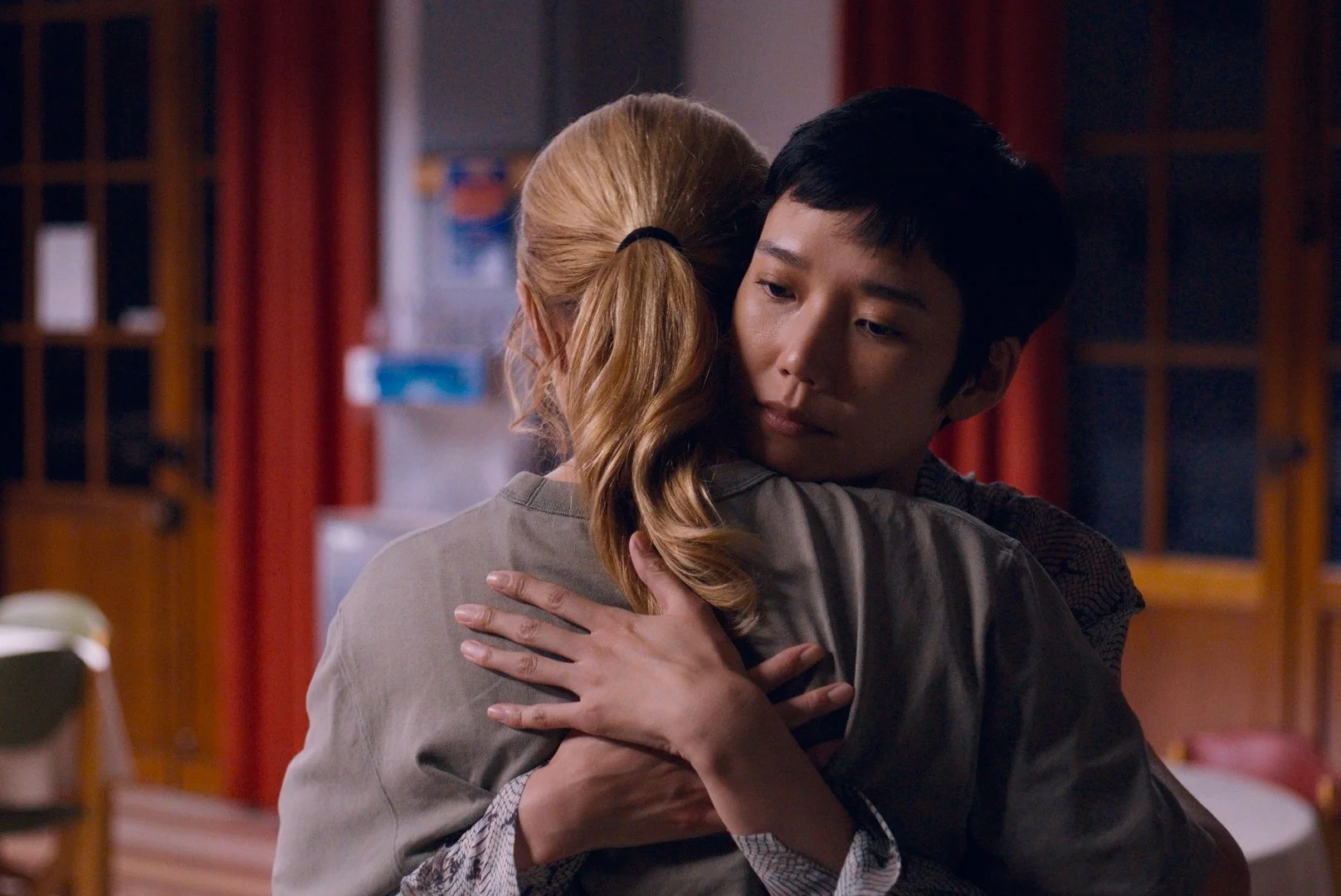
The movie unfortunately suffers from repetitiveness, many of the themes come back through the movie a lot. Even thought the movie did not bore me there were times I felt tired. Because life is not a philosohical idea. Its life. And Mari in front of death says I want to live, this is the only world I want to live in, the best we can have. We all want to live. The world is far from perfect at the moment ( and never was) but its all we have. In a momemt in history where everyone is angry its good. to sit down and think what really matters is living. Even though the characters remained cold towards life for most of the movie, when Mari says I want to live, was the moment I felt the movie was real that it served its purpose.
So what did I really think.. The movie is really good but not a movie I could. rewatch easily. I wish it could breathe a bit more, it could have been a masterpiece othewise. But the subject itself has its limitations and I think Hamaguchi really tried hard with it. I liked the movie, I did not love it. It is hard to love. this movie and maybe that is the point of it. Within its. limiations the movie expolres themses really succesafuly and poses big questions about the human condition. I found the most quiet characater, the autistic friend of Mari to have said in his silence maybe more than any of the dialogue in the movie. The movie is a small triumph and an achievement for Hamaguchi. I just wish it made me more immersed in it but then maybe its just me.