
PAUL HOUSLEY BY CEDRIC BARDAWIL
Paul Housley is a London-based artist whose exhibition ‘Echo’s Raft’ recently opened at Cedric Bardawil. Presenting a new series of large-scale works, the exhibition stands as the aftermath of Housley’s process of “self-education” in which history, philosophy, and mythology are in conversation with memory and reverence. We spent an afternoon together in Soho discussing his painting practice, where he finds inspiration, music culture, and moving to London in the 1990s.
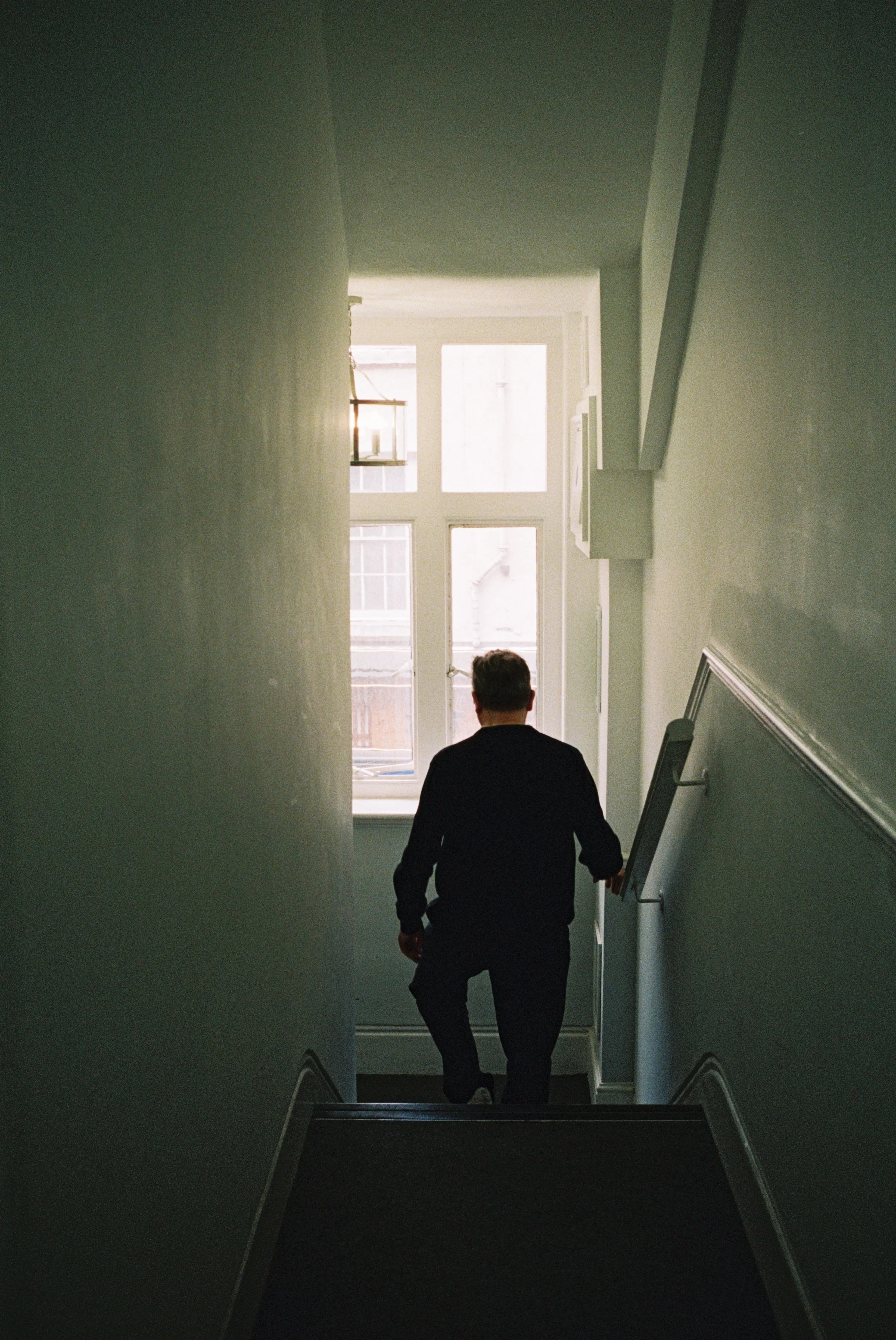
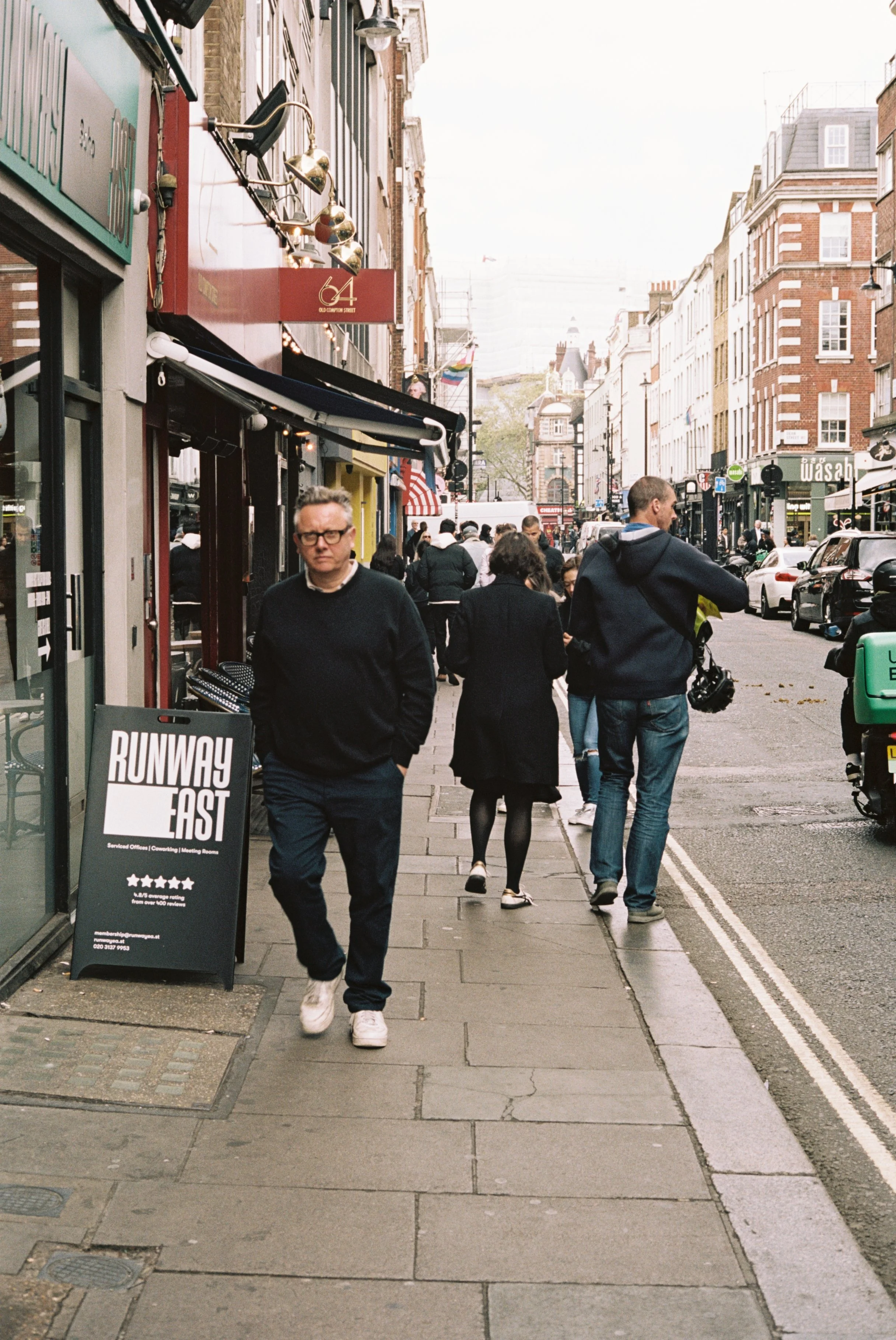
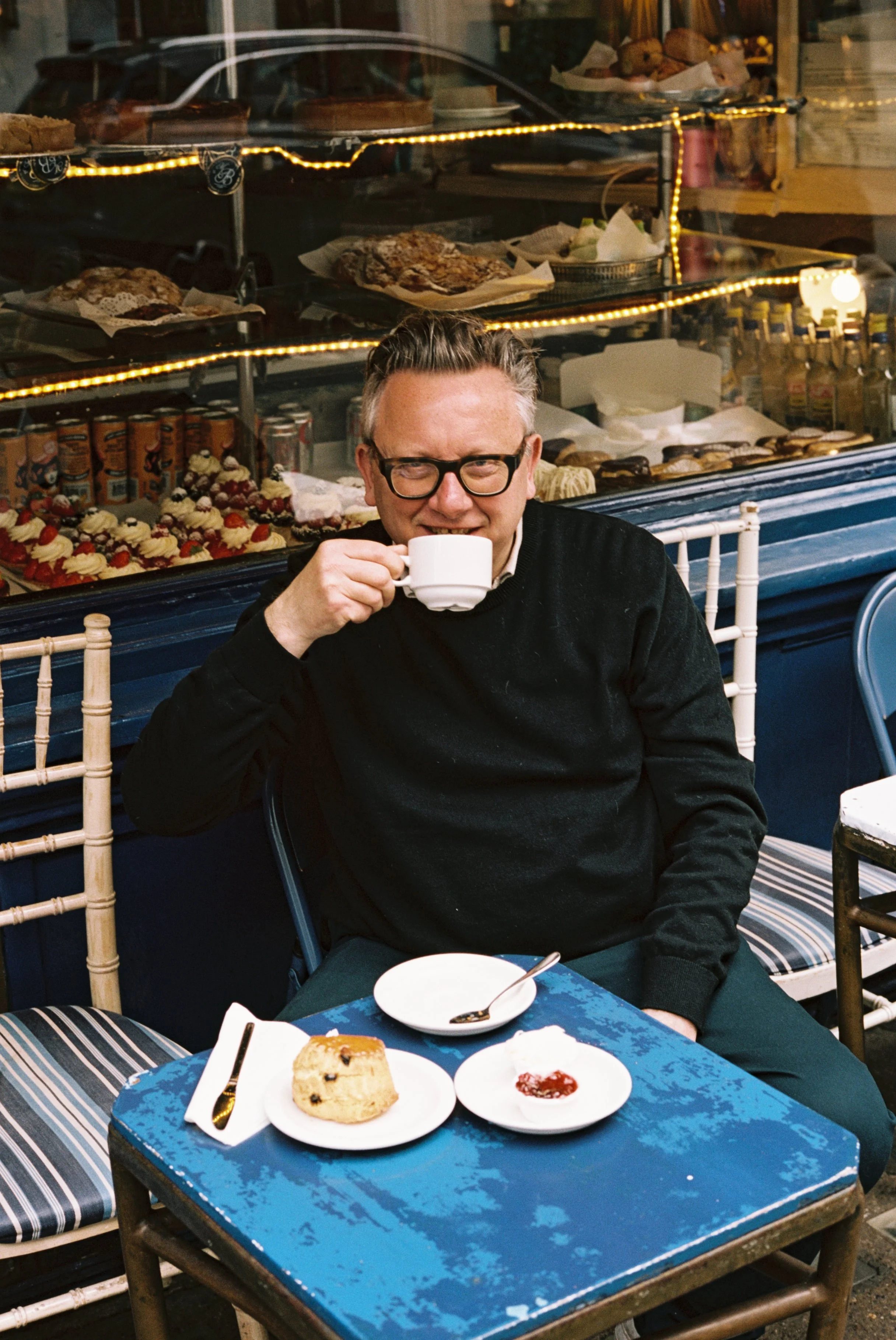
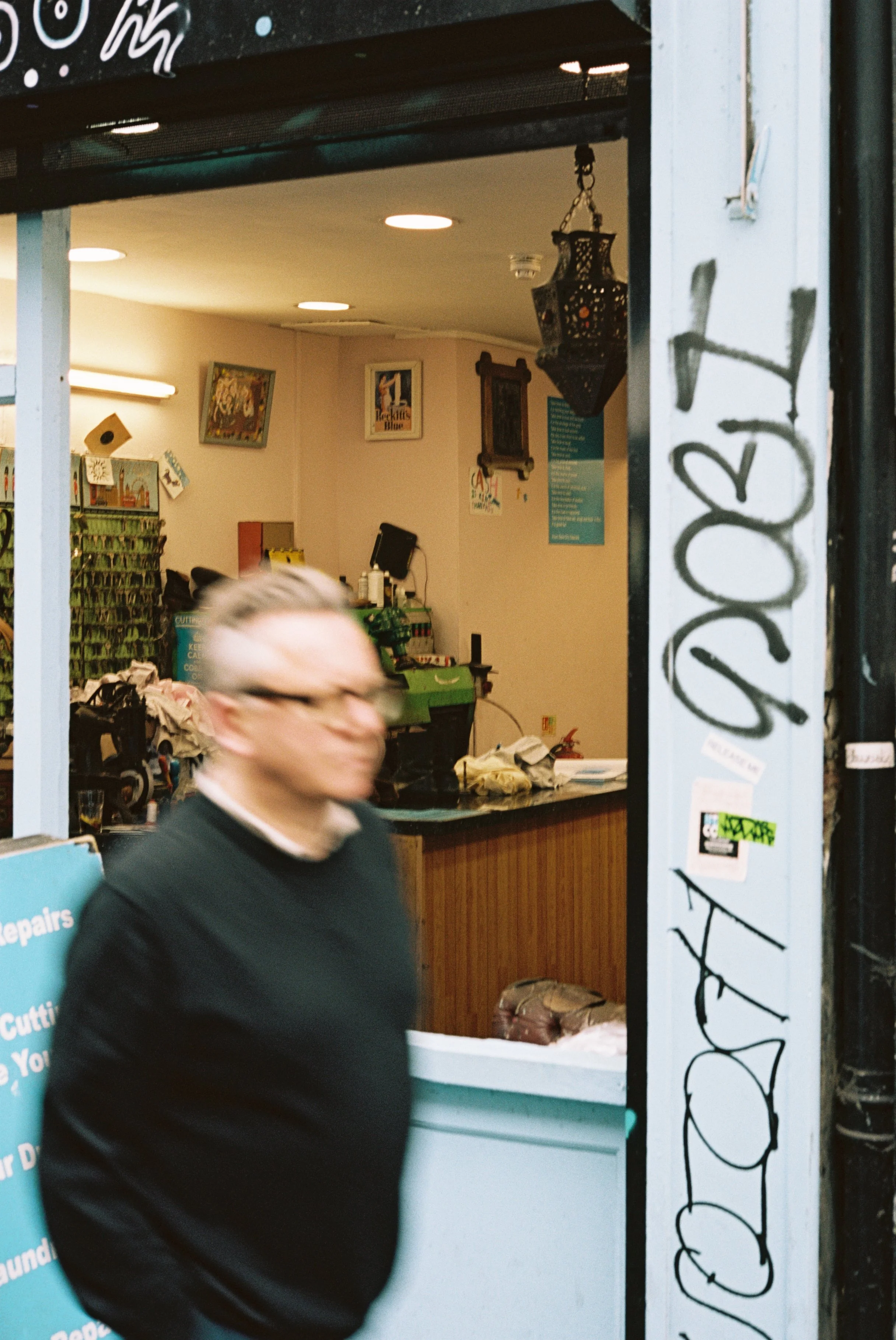
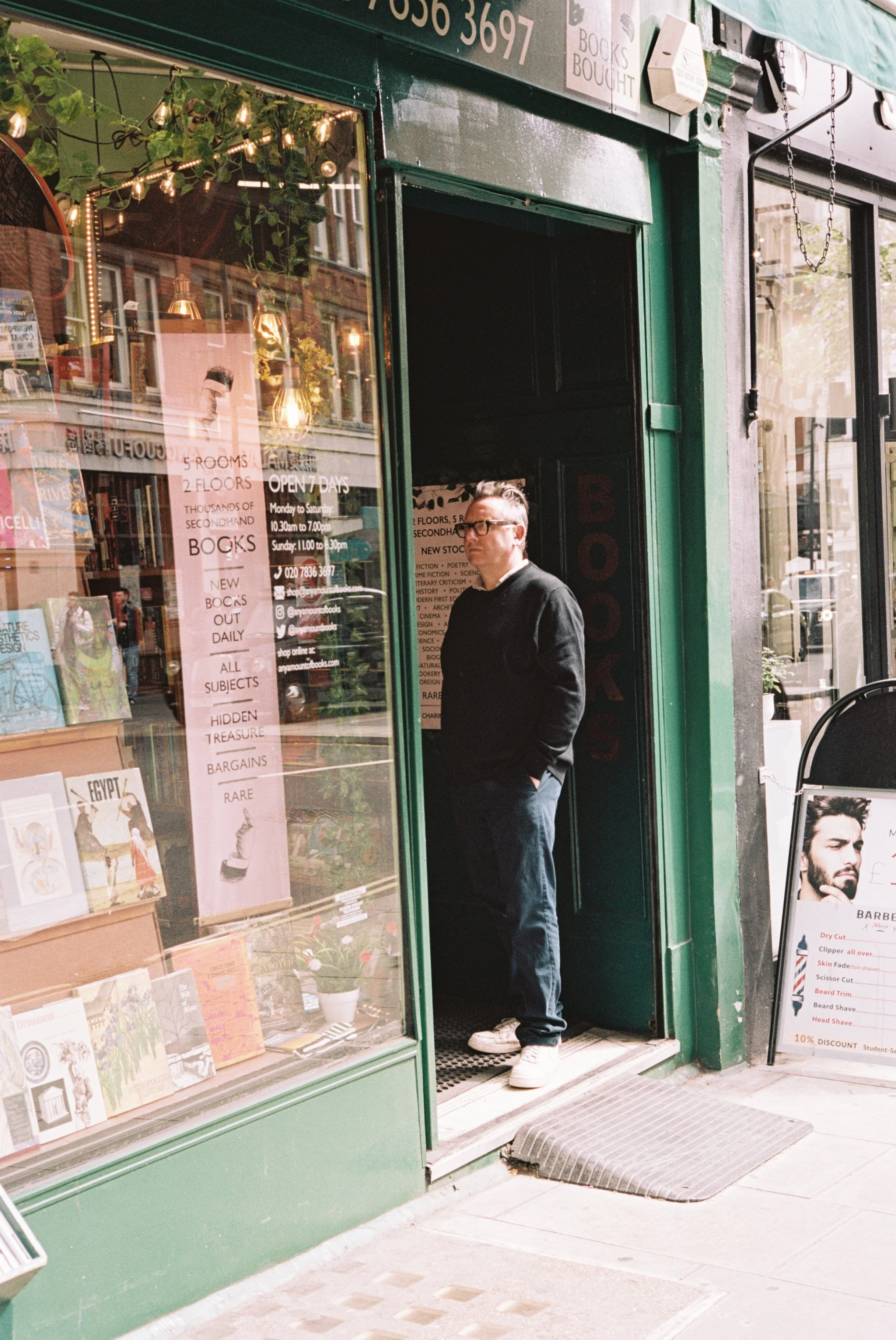
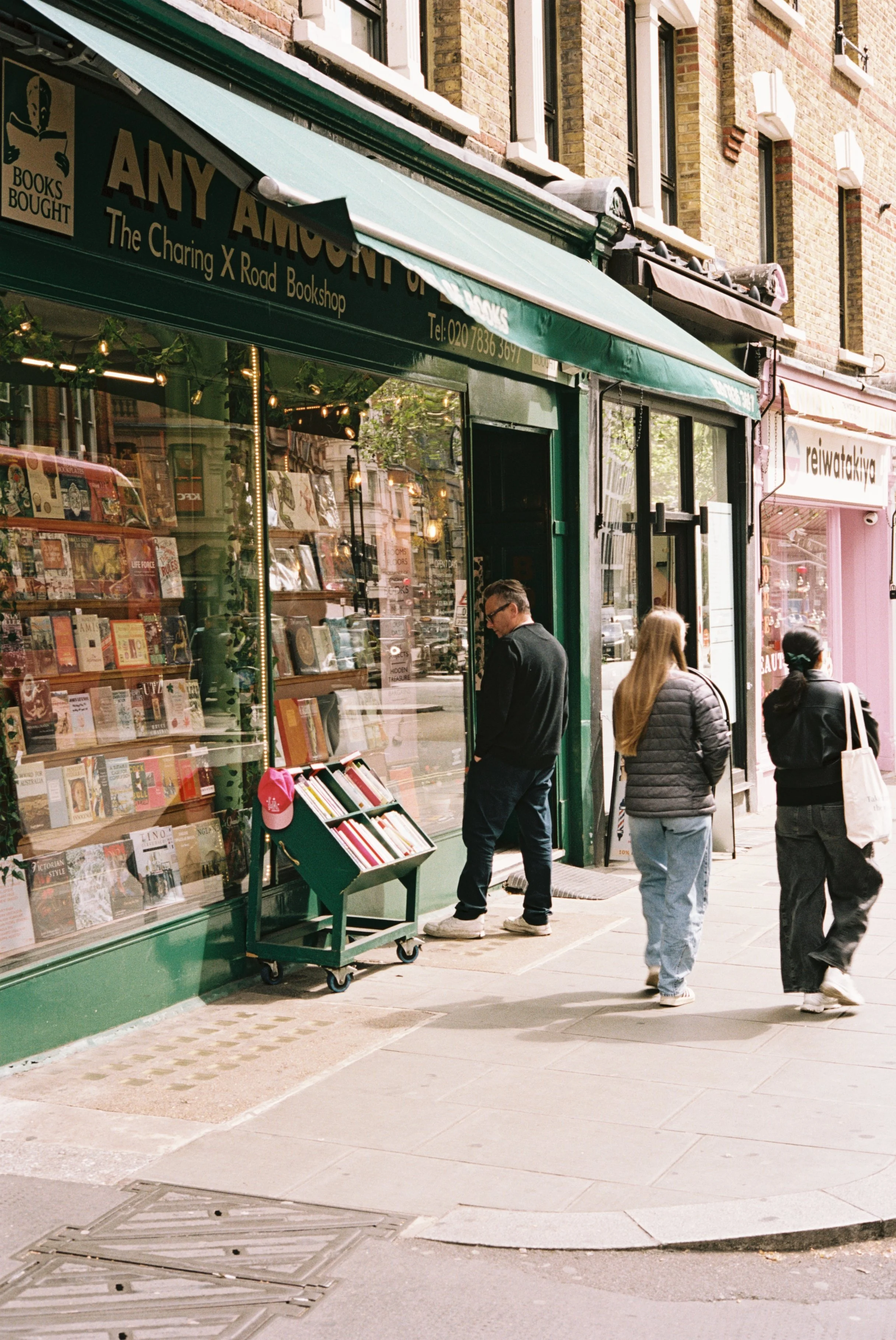
Cedric Bardawil: Let’s start with where we are now, on the streets of Soho. What does this area mean to you?
Paul Housley: I have always been a romantic, so the rich history and density of the sheer number of artists, writers and musicians that have passed through its streets was always going to be a big draw for me. You can still feel some of that tradition in the bones of the place.
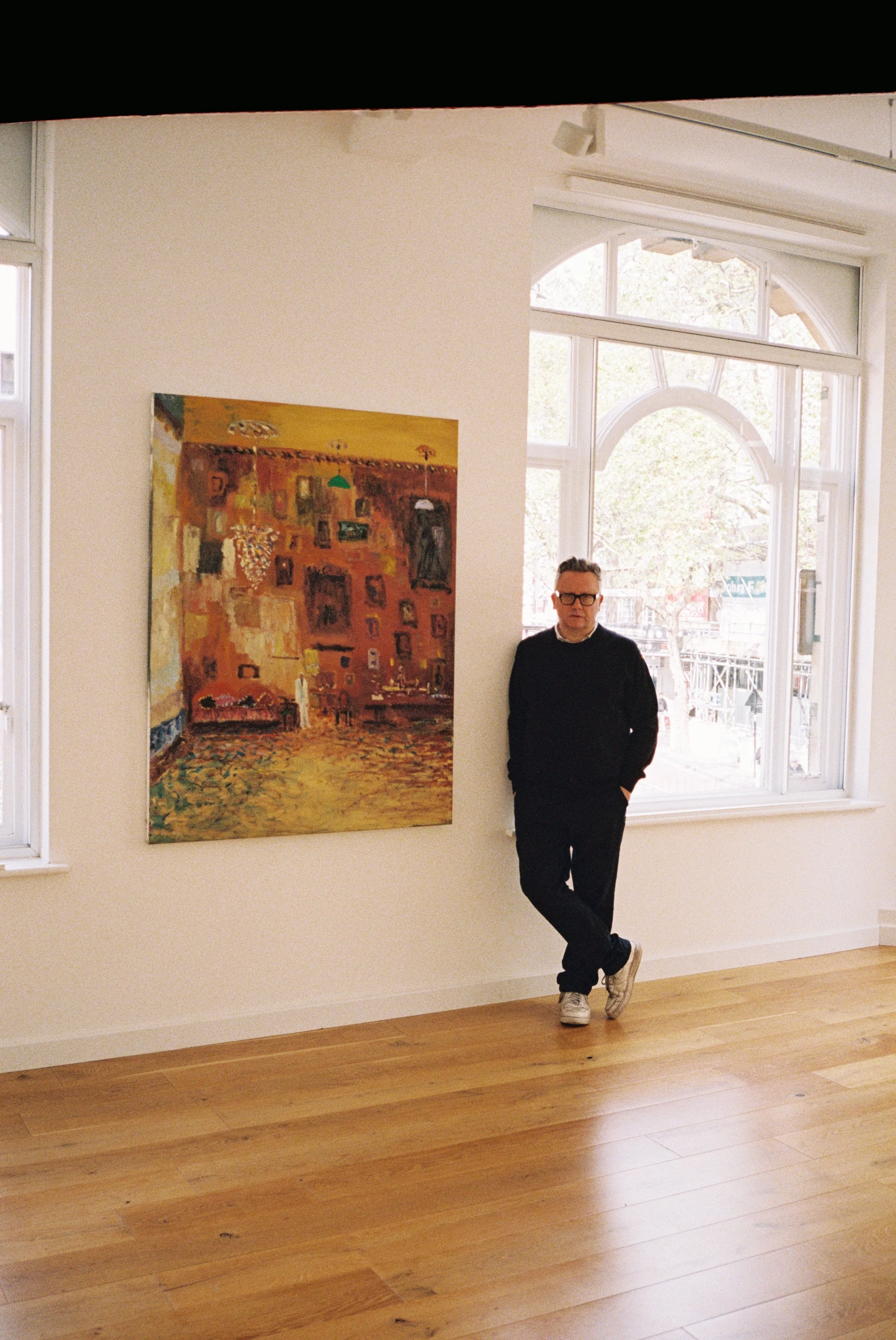
CB: What's in the title of your recently opened exhibition 'Echo's Raft’?
PH: The title of the show is a nod towards my ongoing interest in Greek mythology and the meaning, history, and formation of a shared language. The notion that we all now more than ever live in some kind of technological echo chamber, the raft would probably represent what we have left of our humanity.
CB: This is your first exhibition of large-scale paintings. How does working large-scale differ from the intimate scale that you are most known for?
PH: The upping in scale in this present show is one of the most important aspects of my recent work. It’s been something I’ve been meaning to do for years, and I’m not quite sure why it’s taken me so long, but it definitely feels “right” and points to how I want to progress.
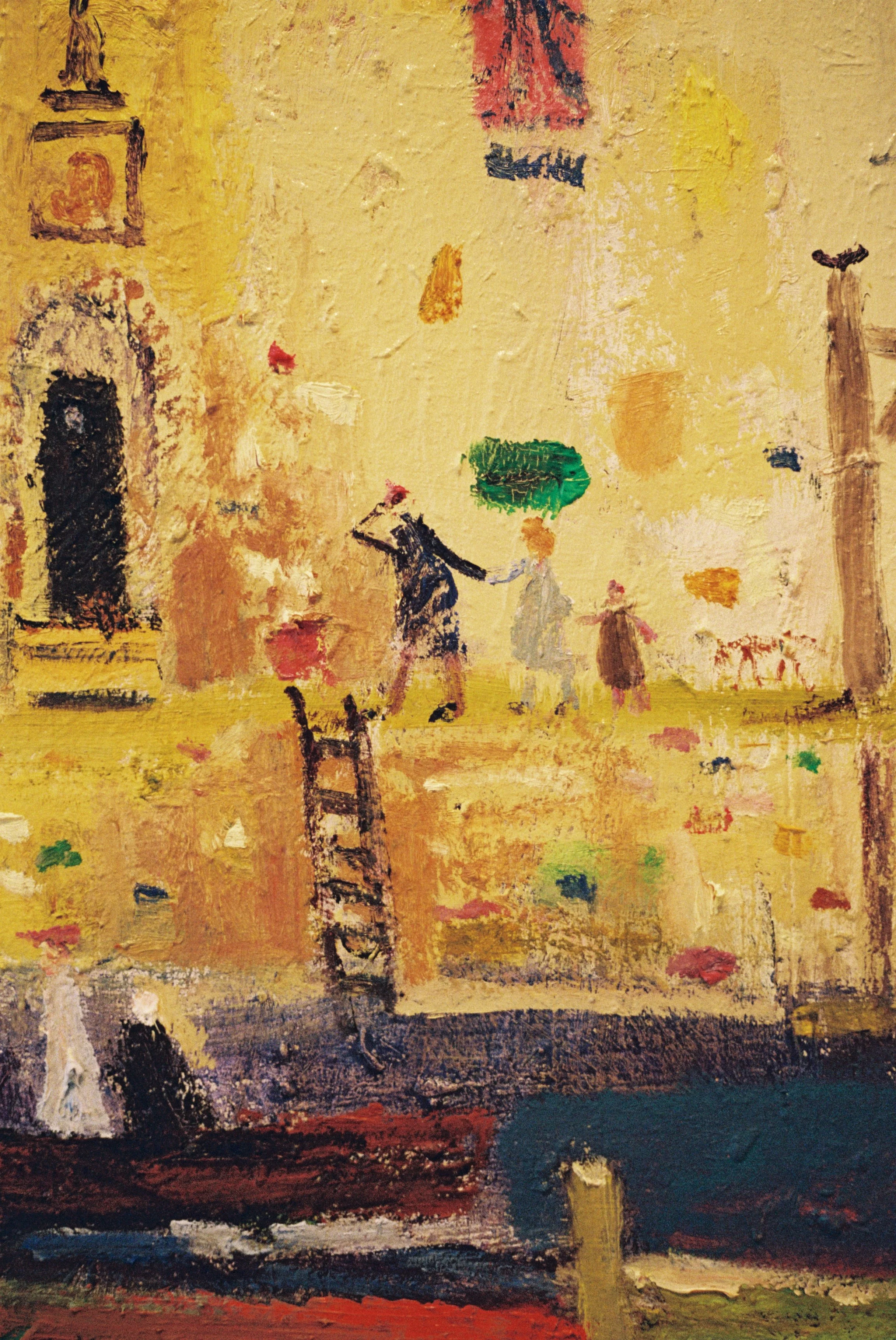
CB: Time appears to be embedded in your paintings, both physically in the way that they are layered and in the subject matter. This makes me think of the Ancient Greek concept of 'Chronos' and 'Kairos': that time can be both linear and of the moment. Could you speak a bit about the importance of time in your paintings?
PH: All art is somehow a kind of measurement of time. I mostly work from memory – it’s not simply about nostalgia, it’s more about technique. If I close my eyes and concentrate upon a very old memory, it becomes a form of meditation where everything drops away leaving you in a suspended moment of being totally “present”. I believe it is in this state that the truest art to myself can be accessed.
CB: Are your paintings always personal and inspired by lived experiences?
PH: When you work in a meditative state all notions of time somewhat dissolve. It’s like being 5 years old again, or maybe 80 years old. It’s somewhat addictive in that it
temporarily releases you from the stress and worries of everyday life, but it also allows you to freely address issues of the deepest empathic nature. In this way I hope to make art that is both always personal but somewhat universal, as the human condition must always be addressed for art to mean something.
CB: You often make work inspired by literature, film and music. What was it like growing up in Manchester and visiting nightclubs like ‘The Haçienda’?
PH: Place and belonging have always been important to the formation of character. I’m originally from a small town on the outskirts of Manchester, and the twin pulls of the rolling hills and deep valleys of the Pennines juxtaposed with the urban throb of the city have always laid claim to my artistic soul. Something of the Northern working-class work ethic is tied into my own notions of creative productivity.
The music of Manchester and Sheffield (where I lived for 10 years) helped shape my formative years. The dark humour and grit of the area combined with the soaring ambitions of its rich and varied music and literary scene have left a permanent mark upon my outlook and artistic production. My first introduction to many artistic ideas would have come from studying the record sleeves of punk and new wave artists. Both cities had strong musical and design ideas that embraced the modern and experimental.
CB: You then moved to London to study at the RCA, what was the painting scene like then?
PH: Right, I moved to London in 1993 to attend the RCA. Those years were very formative for me. The combination of moving to a new, bigger and historically richer city and the meeting and mixing with new and hopefully like-minded people was incredibly intoxicating and inspiring. It definitely made me more ambitious, and exposed me to a much larger world. Just being around an artist like Peter Doig made it all seem somehow more possible, and the fact that he had a deep knowledge of music and film, and was approachable and relatable really helped as well.
CB: When do you feel as though you found your voice and language as a painter? Was there a moment when everything clicked?
PH: Having entered the RCA as pretty much a gestural abstract painter, my ideas and ambitions led to numerous experiments and directions. The work I make now is a result of many years of push and pull. Quite often it’s working out what kind of work you don’t want to make. Arriving at an individual voice always feels like an ongoing process, I never really want to settle too firmly on anything, but little ticks, habits and character lead to a loose collection of characters and themes which somehow become believable and sincere.